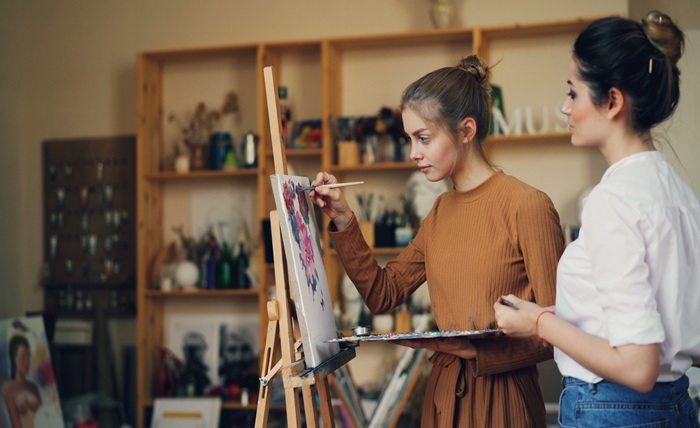
Women’s hobbies reflect a combination of personal interests, cultural influences, lifestyle, and opportunities for self-expression. Activities such as reading, fitness, gardening, cooking, photography, and crafts frequently appear in discussions about women’s leisure preferences. However, these choices are not determined by gender alone. Available time, financial resources, social expectations, and individual motivation influence which activities people pursue and maintain throughout adulthood.
Entertainment preferences also differ according to the experience someone seeks. Digital platforms provide access to interactive games, including chance-based activities. Readers interested in exploring this form of entertainment can click here to view an online slot game, although gambling involves financial risks and is not a reliable method of developing skills. Other hobbies emphasize creativity, physical activity, social interaction, or learning. Examining these categories helps explain why certain activities attract many women.
Creative Crafts and Handmade Activities
Knitting, embroidery, sewing, pottery, and jewelry making are commonly associated with women’s leisure activities.
These hobbies allow participants to transform materials into objects while developing manual skills. The process involves planning, concentration, and experimentation.
Many crafts also offer flexible schedules. Someone can work on an embroidery project for twenty minutes or dedicate several hours to pottery.
Cultural traditions influence participation because skills such as sewing and knitting have historically been passed between generations of women.
However, contemporary interest extends beyond tradition. Crafting communities, workshops, and opportunities for creative expression encourage participation among people of different ages.
Fitness, Yoga, and Pilates
Physical activities are another major category of hobbies chosen by women.
Yoga, Pilates, strength training, dance, swimming, and running provide opportunities to improve fitness while developing movement skills.
Motivations vary considerably. Some participants prioritize physical health, while others value stress management, flexibility, or social interaction.
Structured classes can provide guidance and accountability, particularly for beginners.
The availability of group sessions may also influence participation.
Although certain exercise formats attract more women in some communities, individual preferences and accessibility remain more important than gender stereotypes.
Reading and Book Communities
Reading offers a hobby that requires relatively little equipment and can accommodate different schedules.
Women participate in reading for entertainment, intellectual stimulation, emotional engagement, and learning.
Fiction allows readers to explore characters and experiences, while nonfiction provides information about history, science, psychology, and other subjects.
Book clubs introduce a social dimension by encouraging discussion and shared interpretation.
Reading also offers flexibility because participants can choose material according to their interests and available time.
Its accessibility makes it suitable for people who prefer home-based activities or limited financial investment.
Gardening and Plant Care
Gardening combines observation, physical activity, and practical knowledge.
Women interested in plants may grow vegetables, cultivate flowers, maintain indoor collections, or experiment with propagation.
The activity provides opportunities to learn about soil, watering, light requirements, and seasonal changes.
For some participants, gardening offers relaxation through repetitive tasks and contact with nature.
Others enjoy producing food or improving their living environment.
Urban gardening has also expanded opportunities for people without access to private gardens.
Balconies, windowsills, and community spaces can support plant-related hobbies.
Cooking, Baking, and Food Experimentation
Cooking becomes a hobby when it extends beyond routine meal preparation.
Participants may explore bread fermentation, pastry techniques, regional cuisines, or food presentation.
These activities combine creativity with processes involving temperature, measurements, timing, and ingredient interactions.
The satisfaction often comes from improving techniques and sharing results with others.
However, it is important to distinguish recreational cooking from household responsibilities.
Women who already perform most domestic cooking may prefer hobbies unrelated to food preparation.
Personal choice, rather than traditional expectations, determines whether cooking becomes enjoyable leisure.
Photography and Visual Creativity
Photography attracts people interested in observation, storytelling, travel, and artistic expression.
Women may explore portrait photography, architecture, wildlife, food, or everyday environments.
The activity combines technical knowledge with decisions about composition, lighting, and perspective.
Smartphones have reduced the equipment required to begin experimenting.
Photography also provides opportunities for independent exploration or participation in communities.
Some participants focus on documenting personal experiences, while others develop projects involving specific subjects.
The diversity of photographic styles allows individuals to adapt the hobby to changing interests.
Dance and Social Activities
Dance combines movement, rhythm, coordination, and interaction.
Women participate in various dance styles for exercise, artistic expression, recreation, or social connection.
Group lessons provide opportunities to meet people while learning sequences and movement techniques.
Other social hobbies include volunteering, language groups, theater workshops, and community projects.
These activities can help develop relationships outside professional and family environments.
For individuals seeking greater social interaction, the community surrounding a hobby may become as important as the activity itself.
Why Women’s Hobby Preferences Differ
Several factors influence hobby participation, including childhood experiences, education, available resources, and cultural expectations.
Girls and boys may receive different encouragement to explore sports, technology, crafts, or artistic activities.
These early experiences can influence confidence and familiarity with particular hobbies later in life.
Time availability also matters. Unequal household responsibilities may limit opportunities to pursue activities requiring travel or scheduled attendance.
Financial accessibility, local facilities, and social networks further shape participation.
Therefore, observed differences between women’s and men’s hobbies should not automatically be interpreted as biological preferences.
How Women Can Choose Hobbies Based on Personal Needs
Selecting a hobby begins with understanding the purpose it should serve.
Someone seeking relaxation might enjoy gardening, reading, or crafts. Those interested in movement may prefer dancing, swimming, or cycling.
Women seeking intellectual challenges can explore programming, languages, astronomy, or strategy games.
Trying several activities before investing in equipment can help identify genuine interests.
The most suitable hobby is one that fits available resources and remains enjoyable beyond the initial excitement.
Understanding Hobbies Beyond Gender Expectations
Women’s hobby choices reflect diverse motivations rather than a fixed collection of gender-specific interests.
Creative activities, fitness, reading, gardening, cooking, photography, and social hobbies provide different opportunities for satisfaction and development.
Their popularity depends on accessibility, cultural influences, individual experiences, and lifestyle circumstances.
Ultimately, the value of a hobby comes from personal engagement rather than whether it is traditionally associated with women. Exploring interests without gender-based expectations allows individuals to discover activities that genuinely enrich their free time.