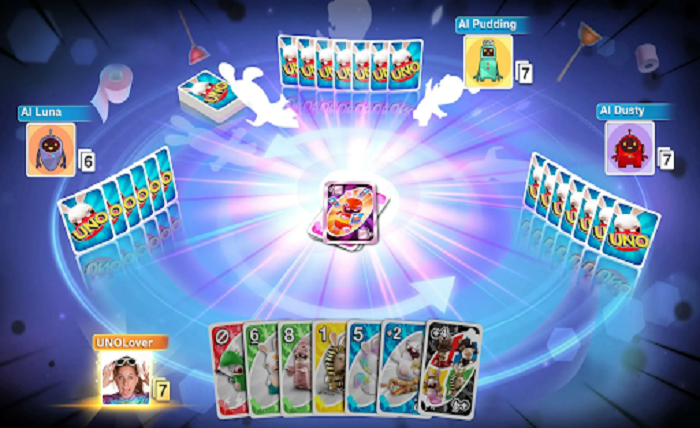
Uno turns one simple deck into one fast social showdown packed with color, timing, nerve, plus sudden reversals. Join go88 readers who enjoy energetic guides built for quick understanding plus immediate table use. Grab your deck, invite your crew, then test each idea during your next round.
Why uno keeps every table buzzing all night
Uno uses numbered cards, action symbols, color matching plus surprise penalties to create instant tension. Each player begins holding seven cards while racing toward zero and tracking every rival. Each legal move usually matches color, number, or symbol. Wild options break predictable patterns while letting someone redirect momentum within seconds.
Its strongest appeal comes from constant participation. Turns move quickly, so nobody waits long before making another choice. Players watch discarded colors, estimate hidden hands, then react when an opponent reaches two cards. Calling “Uno” adds pressure because any missed declaration may trigger penalty cards.
Visual design also supports effortless learning. Distinct colors, large numbers, plus recognizable icons help new participants follow action without lengthy explanations. Younger players practice matching plus sequencing, while adults focus on reads, tempo, and calculated disruption. Uno rewards flexible thinking more than rigid planning because one action card can reshape every option.
Core rules that make every uno round fair yet fast
Reliable play begins with clear agreements and consistent penalties among all participants. Before dealing, take a moment to review the essentials so everyone understands the flow of the game. Keeping each decision visible helps maintain fairness and prevents unnecessary disputes.
- Deal seven cards to each participant, place remaining cards face down, and turn one card upward beside its central draw pile. Play moves clockwise unless any Reverse changes direction. Opening participant matches color, number, or symbol.
- Number cards carry no special effect, yet they shape most tactical routes. Skip removes the next participant’s turn. Reverse changes direction, though two-player games often treat it like Skip.
- Wild cards allow their owner to choose the next active color. Wild Draw Four also adds four cards for the following participant, but standard rules restrict its use.
- Call “Uno” immediately after playing the second-to-last card. Another participant may catch any missed call before the next move begins. The usual penalty adds two cards.
- Each round ends when someone empties their hand. Casual groups may simply record one win. Scoring formats award points from every opponent’s remaining cards.
- Reshuffle the discard pile when the draw stack runs out, leaving the top active card visible. Never hide hands below the table or quietly rearrange the discard order.
Smart strategies for stronger plays and memorable uno sessions
Winning consistently requires more than dumping the first legal card. Every turn should improve flexibility, reduce danger, or disrupt a threatening rival. The following approaches turn basic knowledge into confident table control.
Sharp uno choices turn ordinary rounds into dramatic comebacks
Read the table before acting
Track beyond your hand. Notice which colors rivals avoid, which symbols they save, and how quickly they respond. Hesitation often suggests limited options, while an instant play may reveal comfort with one color. Watch card counts, especially once someone drops below four. When a rival holds one card, prioritize interruption over convenience.
Control colors with deliberate timing
Color control matters because every hand has uneven distribution. Before choosing a Wild color, count remaining options and consider turn order. Selecting the shade with most exits improves survival, but immediate defense sometimes matters more. A rival holding one card may have signaled a preference through behavior.
Uno bluffing without overplaying
Bluffing relies on tempo, expression, and selective restraint rather than deception. A Wild choice can suggest confidence, while a pause may invite rivals to attack weakness. Avoid theatrical reactions because skilled players notice forced behavior. Keep a steady pace and let card selection create uncertainty.
Manage wild cards for impact
Wild cards offer control, protection, and finishing power, so spending them automatically is rarely optimal. Keep one when your hand contains awkward colors or disconnected numbers. Use it earlier when a rival approaches victory and no ordinary card can block momentum. Wild Draw Four deserves extra care because a challenge may expose weak judgment and add punishment.
Conclusion
Uno blends accessible rules, interaction, and smart decisions into a compact experience that stays fresh. New players can begin with matching basics, while regular groups develop reads through timing, color control, memory, and Wild usage.
Source from https://go88b.co.com/