Conversation hearts have a long and fascinating history, and conversation hearts are often associated with Valentine’s Day traditions that date back to the 19th century. These small heart-shaped candies began as simple sugar confections before evolving into the colorful, message-filled treats we know today. Early versions of conversation hearts were inspired by medicinal lozenges, which were easy to shape and print on, making them ideal for short romantic phrases.
The creation of conversation hearts is often linked to the innovation of printing technology in candy production. As machines improved, manufacturers found ways to stamp short messages onto candy surfaces efficiently. This allowed conversation hearts to become more expressive, turning them into a unique form of edible communication. Over time, conversation hearts became a staple in holiday candy boxes, especially during Valentine’s Day celebrations in the United States.
As demand grew, conversation hearts transitioned from handmade sweets to mass-produced candies. This shift made conversation hearts widely accessible and affordable, helping them become a cultural icon. Even today, conversation hearts remain one of the most recognizable seasonal candies in the world.
Conversation Hearts: Manufacturing and Production Process
The production of conversation hearts involves a detailed process, and conversation hearts start as a sugar-based dough that is carefully mixed, flavored, and colored. The mixture is then rolled out and shaped into small hearts using specialized molds. This shaping process is essential because conversation hearts must maintain their uniform size and texture for consistent printing.
Once shaped, conversation hearts are dried and hardened to achieve their signature chalky texture. This texture is what gives conversation hearts their distinctive bite and allows them to hold printed messages without smudging. After drying, the candies move to the printing stage, where edible ink is used to stamp short phrases onto each piece.
Modern manufacturing of conversation hearts relies heavily on automation, but quality control remains important. Each batch of conversation hearts is checked for clarity of text, color consistency, and structural integrity. Despite advancements in technology, conversation hearts still maintain their nostalgic appearance, preserving the traditional look that consumers recognize and love.
Conversation Hearts: Cultural Significance and Traditions
Conversation hearts hold deep cultural significance, and conversation hearts are strongly associated with Valentine’s Day celebrations around the world. They are often exchanged between friends, family members, and romantic partners as symbols of affection and playful communication. The short messages printed on conversation hearts allow people to express emotions in a simple yet meaningful way.
In schools, conversation hearts have historically been used in classroom Valentine exchanges, where students distribute small cards and conversation hearts to their classmates. This tradition has helped reinforce the candy’s association with friendship and childhood memories. Over time, conversation hearts have become more than just candy—they represent shared cultural experiences.
Conversation hearts also appear in seasonal decorations, greeting cards, and themed gifts. Their presence during February makes conversation hearts a symbol of seasonal joy and emotional connection. Even when not consumed, conversation hearts serve as visual reminders of love and appreciation.
Conversation Hearts: Design, Colors, and Messages
The design of conversation hearts is one of their most iconic features, and conversation hearts are instantly recognizable due to their pastel colors and heart-shaped form. Typically, conversation hearts come in shades of pink, yellow, green, purple, and white, each contributing to their soft and festive appearance. These colors are carefully chosen to reflect themes of romance and warmth.
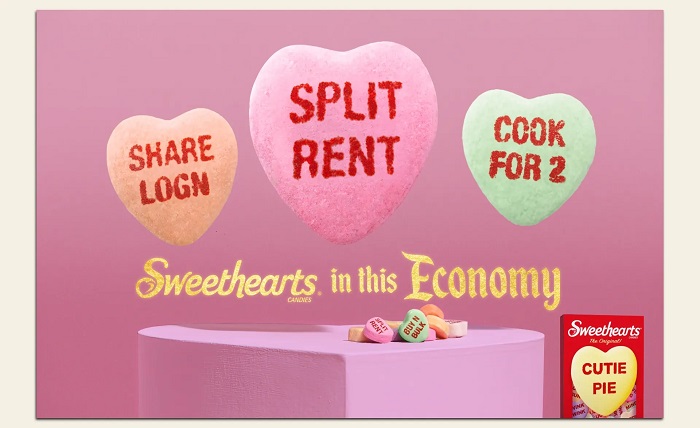
Messages printed on conversation hearts are equally important. Common phrases like “Be Mine,” “Love You,” and “Kiss Me” make conversation hearts a fun way to communicate affection. Over the years, manufacturers have updated conversation hearts with modern slang and pop culture references, keeping them relevant to new generations.
The typography used on conversation hearts is also carefully designed. The text must be clear, legible, and small enough to fit within the limited surface area. This balance between design and readability is a key part of what makes conversation hearts visually appealing and culturally enduring.
Conversation Hearts: Marketing and Commercial Evolution
Marketing has played a major role in the popularity of conversation hearts, and conversation hearts have been heavily promoted as essential Valentine’s Day gifts for decades. Candy companies use seasonal advertising campaigns to remind consumers that conversation hearts are a timeless symbol of love and affection.
Retail displays often feature conversation hearts in prominent positions during the Valentine season. Supermarkets, convenience stores, and online retailers all highlight conversation hearts as must-have holiday treats. This strategic placement helps maintain high demand year after year.
Over time, conversation hearts have also expanded into themed merchandise such as plush toys, stationery, and clothing. This diversification has allowed conversation hearts to remain relevant beyond the candy aisle. By turning conversation hearts into a brand experience, manufacturers have successfully sustained their cultural relevance.
Conversation Hearts: Digital Era and Social Media Influence
In the digital age, conversation hearts have found new life on social media platforms, and conversation hearts are frequently shared as nostalgic content during Valentine’s Day. People post images of conversation hearts to express humor, romance, or nostalgia, often pairing them with modern captions and memes.
Brands have also adapted conversation hearts for digital marketing campaigns. Animated conversation hearts, emojis, and themed stickers are widely used in messaging apps, allowing users to send virtual conversation hearts instantly. This digital transformation has helped conversation hearts remain relevant in a fast-paced communication world.
Influencers and content creators often feature conversation hearts in Valentine-themed posts, unboxing videos, and aesthetic photography. This visibility has introduced conversation hearts to younger audiences who may not have grown up with them in the same way previous generations did.
Conversation Hearts: Collecting, Nostalgia, and Emotional Value
Many people collect conversation hearts packaging and memorabilia, and conversation hearts often evoke strong feelings of nostalgia. Vintage boxes, limited-edition releases, and discontinued phrases are especially popular among collectors who appreciate the history behind conversation hearts.
Nostalgia plays a significant role in the continued popularity of conversation hearts. For many adults, conversation hearts represent childhood memories of school celebrations, handwritten Valentine cards, and shared treats with friends. This emotional connection gives conversation hearts a sentimental value beyond their taste.
Even as tastes and trends change, conversation hearts continue to maintain a loyal fan base. Their ability to evoke memories and emotions ensures that conversation hearts remain culturally significant across generations.
Conversation Hearts: Variations and Modern Innovations
Modern variations of conversation hearts have introduced new flavors, designs, and concepts, and conversation hearts are no longer limited to traditional pastel candy alone. Some brands experiment with sour, fruity, or gourmet versions to appeal to changing consumer preferences.
In addition, conversation hearts have inspired creative reinterpretations in baking, desserts, and artisanal confections. Cupcakes, cookies, and chocolates often feature conversation hearts as decorative elements, expanding their influence beyond candy.
Despite these innovations, traditional conversation hearts remain the most popular. Their classic look and familiar messages continue to define the category, proving that conversation hearts can evolve while still honoring their original charm.
Conclusion
Conversation hearts continue to hold a special place in culture, and conversation hearts represent more than just candy—they symbolize love, communication, and shared memories. From their historical origins to their modern digital adaptations, conversation hearts have remained relevant for generations. Their simple yet expressive nature allows conversation hearts to connect people in a way that is both nostalgic and meaningful. Even today, conversation hearts remain a timeless tradition that continues to sweeten Valentine’s Day celebrations around the world.
FAQs
1: What are conversation hearts made of?
Conversation hearts are made from sugar, corn syrup, flavoring, and food coloring, forming a chalky candy texture.
2: Why are conversation hearts popular on Valentine’s Day?
Conversation hearts are popular because they feature romantic messages and symbolize love and affection in a fun, edible form.
3: Do conversation hearts still use traditional messages?
Conversation hearts now include both classic phrases and updated modern expressions to stay relevant.
4: Are conversation hearts edible or just decorative?
Conversation hearts are fully edible, though many people also use them for decoration or nostalgia.
5: Can conversation hearts be customized?
Some manufacturers offer custom conversation hearts for events, allowing personalized messages for special occasions.