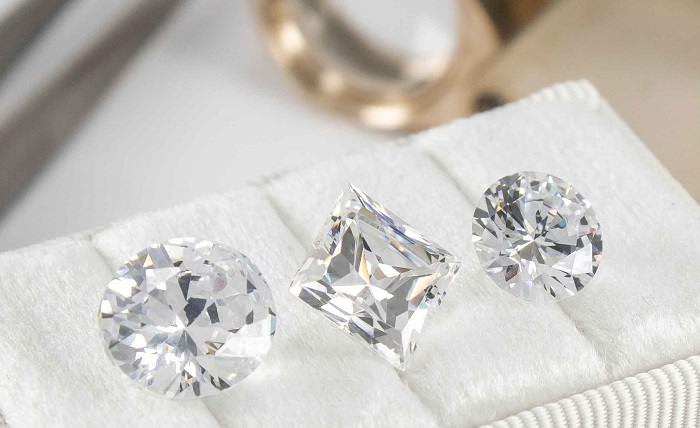
Monopoly jewelry has emerged as a unique niche in the fashion and luxury accessories market, blending creativity, exclusivity, and symbolic design into wearable art. The idea behind monopoly jewelry is often associated with rare, limited, or highly distinctive pieces that stand out in a saturated jewelry market. In today’s fashion world, monopoly jewelry represents individuality and prestige, making it appealing to collectors and style enthusiasts alike.
The rising popularity of monopoly jewelry can be attributed to the growing demand for personalized luxury. Consumers are no longer satisfied with mass-produced accessories; instead, they seek meaningful pieces that reflect their identity. Monopoly jewelry fulfills this desire by offering distinctive craftsmanship and artistic storytelling through design.
In many cases, monopoly jewelry also reflects cultural or thematic inspirations, giving each piece a sense of exclusivity. This makes monopoly jewelry not just an accessory but a statement of personal expression and refined taste.
Monopoly Jewelry: Historical Evolution and Market Growth
The history of monopoly jewelry can be traced to the evolution of luxury branding and artisanal craftsmanship. Over time, monopoly jewelry has developed into a symbol of rarity and high-value design, often produced in limited quantities to maintain exclusivity.
As global fashion markets expanded, monopoly jewelry gained recognition among designers who wanted to differentiate their work. This shift contributed to a growing demand for unique jewelry lines that could not be easily replicated. Monopoly jewelry became a way for brands to establish authority and exclusivity in competitive markets.
Today, monopoly jewelry continues to grow in popularity due to digital marketing and social media exposure. Influencers and fashion icons frequently showcase monopoly jewelry pieces, further increasing consumer interest and market value. The evolution of monopoly jewelry reflects broader trends in luxury consumption, where uniqueness is more valuable than mass availability.
Monopoly Jewelry: Design Philosophy and Craftsmanship
The design philosophy behind monopoly jewelry revolves around exclusivity, detail, and artistic expression. Each piece of monopoly jewelry is typically crafted with precision, often involving skilled artisans who dedicate significant time to perfecting intricate details.
Monopoly jewelry designs may incorporate rare gemstones, unconventional patterns, or symbolic elements that enhance their uniqueness. This craftsmanship ensures that monopoly jewelry stands apart from conventional jewelry collections. The emphasis is not only on beauty but also on storytelling through design.
In addition, monopoly jewelry often uses high-quality materials such as gold, platinum, and ethically sourced stones. This commitment to quality ensures that monopoly jewelry maintains both aesthetic appeal and long-term value. The craftsmanship behind monopoly jewelry is what elevates it from simple decoration to collectible art.
Monopoly Jewelry: Cultural Influence and Fashion Trends
Monopoly jewelry has become deeply embedded in modern fashion culture, influencing trends across luxury and streetwear industries. Designers frequently incorporate monopoly jewelry concepts into runway collections, showcasing bold and experimental styles.
The cultural influence of monopoly jewelry is evident in how it is worn as a status symbol. Celebrities and influencers often use monopoly jewelry to enhance their personal branding, making it a key component of modern fashion identity. Monopoly jewelry also reflects cultural diversity, as designers draw inspiration from global traditions and artistic movements.
Fashion trends involving monopoly jewelry emphasize individuality and self-expression. Unlike traditional jewelry, monopoly jewelry allows wearers to break conventional style rules and experiment with unique combinations. This adaptability has made monopoly jewelry a staple in contemporary fashion circles.
Monopoly Jewelry: Investment Value and Collectibility
Monopoly jewelry is not only a fashion statement but also a potential investment asset. Due to its limited production and exclusive nature, monopoly jewelry often retains or increases its value over time. Collectors are particularly interested in monopoly jewelry pieces that are rare or part of a limited edition series.
The investment appeal of monopoly jewelry lies in its scarcity and craftsmanship. Unlike mass-produced accessories, monopoly jewelry is often designed with long-term value in mind. This makes it attractive to investors who seek alternative luxury assets.
Additionally, monopoly jewelry can be passed down as heirlooms, increasing its emotional and financial significance. Many collectors view monopoly jewelry as a combination of art and wealth preservation, making it a unique category within the luxury market.
Monopoly Jewelry: Styling Tips and Everyday Wear
Styling monopoly jewelry requires a balance between boldness and elegance. Because monopoly jewelry is often designed to stand out, it works best when paired with minimalistic outfits that allow the pieces to shine.
For casual wear, monopoly jewelry can be used as a statement accessory, such as a bold necklace or ring. In formal settings, monopoly jewelry adds sophistication and enhances overall appearance. Mixing monopoly jewelry with neutral tones or simple fabrics creates a refined and modern look.
Layering is also a popular trend with monopoly jewelry, allowing wearers to combine multiple pieces for a more personalized style. However, it is important not to over-accessorize, as monopoly jewelry is meant to be the focal point of any outfit.
Monopoly Jewelry: Buying Guide and Authenticity Tips
When purchasing monopoly jewelry, it is essential to consider authenticity, craftsmanship, and material quality. Genuine monopoly jewelry is usually accompanied by certification or proof of origin, ensuring its value and legitimacy.
Buyers should research reputable sellers before investing in monopoly jewelry. This helps avoid counterfeit products that may mimic the appearance of genuine pieces. Monopoly jewelry should always be evaluated based on design detail, material composition, and brand reputation.
Another important factor is pricing. Monopoly jewelry often comes at a premium due to its exclusivity, but buyers should ensure that the price reflects quality and authenticity. Understanding the market helps consumers make informed decisions when investing in monopoly jewelry.
Monopoly Jewelry: Future Trends and Industry Outlook
The future of monopoly jewelry looks promising as demand for unique luxury items continues to rise. Designers are expected to explore more innovative materials and technologies in creating monopoly jewelry pieces.
Sustainability is also becoming a key trend in monopoly jewelry production. Ethical sourcing and environmentally friendly practices are increasingly influencing how monopoly jewelry is designed and marketed. This shift aligns with global consumer preferences for responsible luxury.
Technological advancements such as 3D printing and digital design are also shaping the future of monopoly jewelry. These innovations allow for greater customization and precision, further enhancing the exclusivity of monopoly jewelry in the luxury market.
Conclusion
Monopoly jewelry represents a powerful blend of artistry, exclusivity, and cultural significance in the modern luxury landscape. From its design philosophy to its investment potential, monopoly jewelry continues to redefine how people perceive and value accessories. As trends evolve, monopoly jewelry will likely remain a symbol of individuality and refined taste in the global fashion industry.
FAQs
1. What is monopoly jewelry?
Monopoly jewelry refers to exclusive, often limited-edition jewelry pieces designed with unique craftsmanship and artistic value. Monopoly jewelry emphasizes rarity and individuality.
2. Why is monopoly jewelry so popular?
Monopoly jewelry is popular because it offers exclusivity and personal expression. Many consumers prefer monopoly jewelry for its unique designs and luxury appeal.
3. Is monopoly jewelry a good investment?
Yes, monopoly jewelry can be a good investment due to its rarity and craftsmanship. High-quality monopoly jewelry often retains or increases its value over time.
4. How do I identify authentic monopoly jewelry?
Authentic monopoly jewelry usually comes with certification, high-quality materials, and detailed craftsmanship. Always buy monopoly jewelry from trusted sellers.
5. Can monopoly jewelry be worn daily?
Yes, monopoly jewelry can be worn daily if styled appropriately. However, many people reserve monopoly jewelry for special occasions due to its premium and standout nature.